

Rebuilding Puerto Rico’s Electricity with a Resilient and Climate Friendly Power Grid
November 23, 2017
COP23: Climate Diplomacy and our Collective Security
November 28, 2017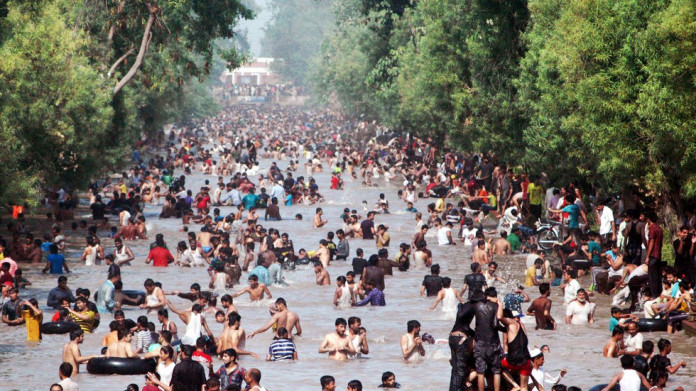
.
Heat stress: A sustainable health risk.
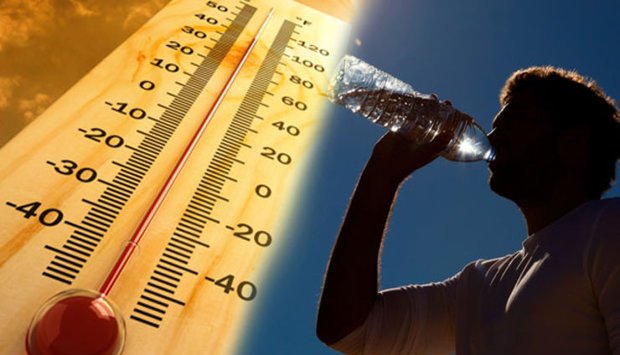
Among the many health, environmental, and economic impacts of global climate change, heat stress is the most underemphasized as a major challenge to health and its sustainability. With the global temperature increase, there has been a rise in the heat wave intensity and resultant human health risks. Urban cities face an imminent danger from the heat effect due to its high dense infrastructures, increased human activity (overpopulation) and low level of forests and trees.
Heat waves increase the rate of death from heat exhaustion, stroke and cardiovascular diseases in various countries especially for elderly and vulnerable groups and those with pre-existing health conditions. For example, the excess mortality rate of 45000 was estimated during a heat wave in Europe in 2003.The design and construction of modern cities aggravate these problems such that the concrete used for most buildings absorb and retain heat, the lack of vegetation also reduces air ventilation, tall buildings block wind penetration, and human activity generates toxic waste heat. The average ambient temperatures in cities are warmer than surrounding non-urban areas, and at night it tends to rise drastically.
The Institute for Social and Environmental Transition-International (ISET-International) and the National Center for Atmospheric Research (NCAR), both based in Colorado predicts that by mid-century, some 300 million Indians and Bangladeshis in the lower Ganges Valley alone will lack sufficient power to run electric fans or air conditioning to combat rising temperatures. Fawad Khan, the senior economist with ISET-International - which has conducted studies on heat stress, describes heat as a "silent killer" and the world's "biggest impending climate-related hazard".

Heat stress and heat waves could also lead to loss of productivity and earnings, livestock deaths, higher food prices and water shortages. Raising awareness among the general population is important. Mitigation and adaptation to heat stress must happen at all levels: regional, national, state, especially the urban cities. To manage heat exposure in these cities, building design, city layout, and land use are critical areas to look into, also governments need to strategize and create response plans to manage more frequent and intense heat waves in various sectors. infrastructure that uses natural phenomena to cool cities is also another promising strategy for managing heat stress. Example of such infrastructures includes; green roofs, parks, trees, ponds and lakes, wind corridors, and even innovative technologies for heat exchange such as deep – water source cooling systems.
Heat adaptation which has been left to individual choice in most countries has led to a widespread adoption of air conditioning in most cities. This has turned out to be problematic for several reasons; it adds to the release of waste heat, it increases energy consumption thus the emission of greenhouse gases which in turn fuels climate change, leaving those who can’t afford it at health risk. It also reduces the demand for more sustainable solutions to the heat stress. There is the need for a clarion call to action if we are to handle and manage the advancing heat stress in the future.The increasing rate of heat stress across the globe is a clear manifestation of global warming. Humans, animals, and plants are collective victims of the astronomical rise in atmospheric temperature.