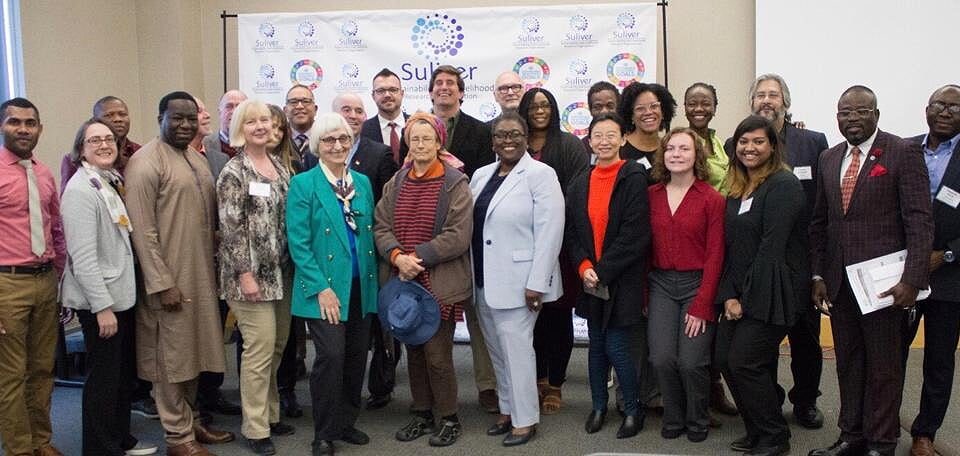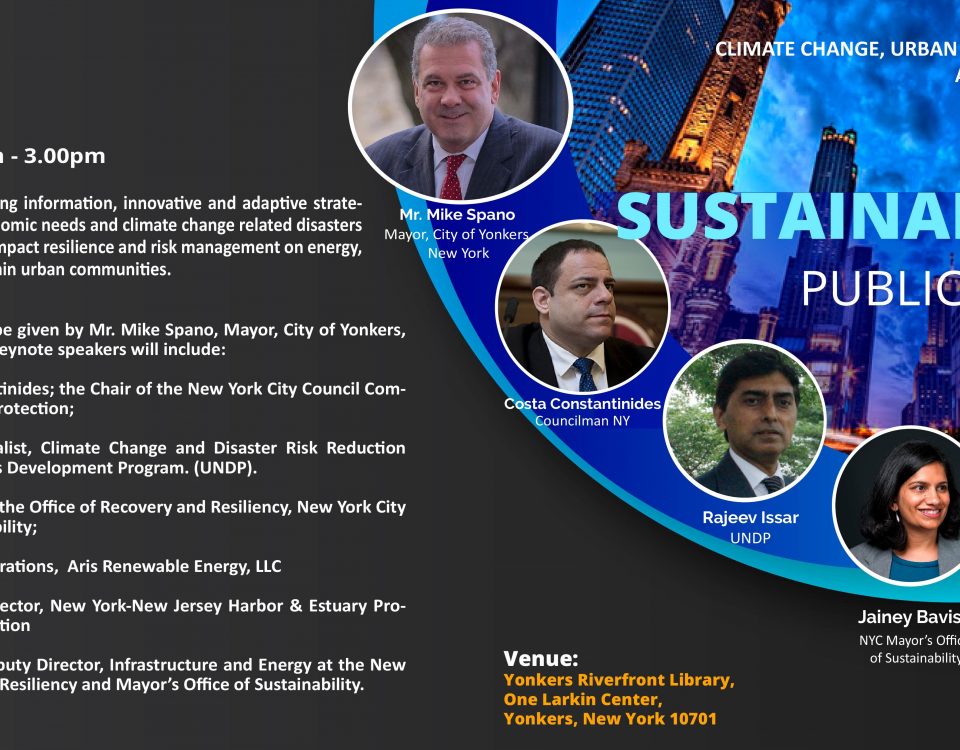


Women: The force behind the achievement of Sustainable Development Goals
March 8, 2018
Suliver Board Hosted by UNDP and The New York City Council
December 31, 2018
Sustainability Leadership Series
Interest in sustainability leadership has remained unceasing
-universities offer courses and programs in sustainability leadership, global surveys scan sustainability leadership internationally and corporate companies are being awarded “sustainability leaders”.
However, the global engagement with sustainability leadership does not necessarily come back in the Sustainable Development Goals. Their focus is on partnership (SDG17), strong institutions (SDG16), and equality concerns, like reducing inequality (SDG10) and gender inequality in particular (SDG5). How can we understand this interest in leadership in light of the Sustainable Development Goals?

In the following weeks, this blog will try to find answers to this the question in several subsequent posts.
“Leadership” and “leader” are rather ambiguous terms, - a leader may be an autocratic president promoting the “Green Economy”, or the NGO that takes the lead in turning some plots of barren land into a community garden. We find “sustainability leaders” among corporate business, as well as with individuals who head innovation among their peers in sustainable consumption. - While they may all be called “leaders”, if one will, they vary considerably in how they execute leadership, and in the mechanisms that brought them to take the lead.
One may now say, “That’s o.k., for a sustainability transition, all parts of society need leaders that suit their particular context”, - which is, of course, to some extent true. Still, as this the blog will discuss, leadership, however, defined, is only part of the puzzle, particularly in the context of sustainability transitions. If we talk about leadership, we also talk about “followers”, and how followers are seen by leaders, leaders are conceived by followers, and how the two relate.
A first post hence will ask how to understand sustainability leadership in times when autocratic leadership appears to gain currency among parts of the population, and the dichotomy between “leaders” and “followers” appear to widen? The ambiguity of “leadership” necessitates a clear delineation of terms. In the following weeks, blog posts will also introduce to courses and programs on sustainability leadership, offered by universities and the private sector, and ask how they understand sustainability leadership.
As the understanding of leadership appears to vary depending on e.g. gender, disability or cultural background, leadership will also be discussed in the context of diversity.
We hope that in the end, this series of blog posts will support taking a reflective stance on leadership, the twin of the follower.