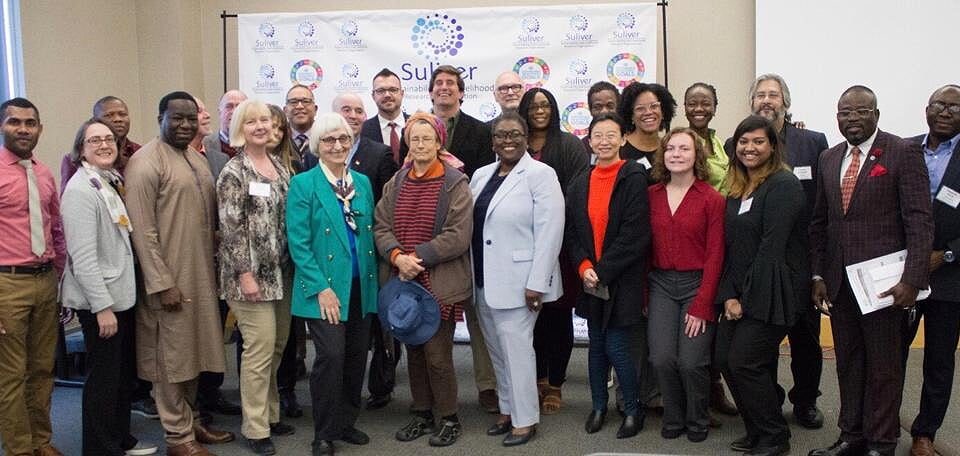


Early career researchers in global networks unite to address sustainability issues
November 20, 2016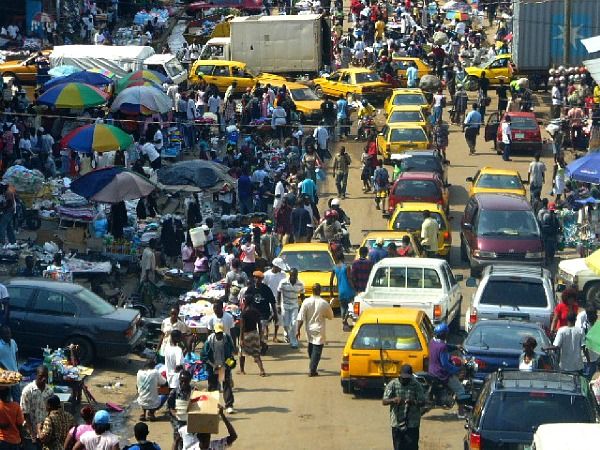
Governments’ Role in African Urbanization
January 26, 2017
Poverty stands as a major challenge to sustainable child health
Based on factors entirely outside their control, children from the poorest households are more exposed to severe risks of disease, hunger, illiteracy and poverty. They are thereby trapped in a cycle of disadvantage and are more likely to die before the age of 5. In many cases, they are also far less likely to complete school, meaning that those who survive this precarious start, find little opportunity to break free from their parents’ poverty and shape their own futures.
Around the world, children make up nearly half of the almost 900 million people living on less than US$1.90 a day. Their families struggle to afford the basic health care and nutrition needed to provide them a strong start. These deprivations leave a lasting imprint.
Launching today, the State of Child Health report by the Royal College of Pediatrics and Child Health (RCPCH) provides for the first time a comprehensive list of 25 health measures for UK children, ranging from specific conditions such as asthma, diabetes and epilepsy, to risk factors for poor health such as obesity and a low rate of breastfeeding, to child deaths. The data provide an “across the board” snapshot of child health and wellbeing in the UK. It states that;
“Nearly one in five children in the UK is living in poverty and inequality is blighting their lives, with those from the most deprived backgrounds experiencing much worse health compared with the most affluent. Despite some improvements in the health of UK children over the last decades, there is clear disparity with Europe, and major cause for concern….”
According to Professor Neena Modi, President of the RCPCH,“ …it is tragic that the future health and happiness of a significant and growing number is in jeopardy because of an alarming gap between rich and poor. …Children living in the most deprived areas are much more likely to be in poor health.” He also mentioned that “ The UK is one of the richest countries in the world; we can and must do better, for the sake for each individual, and that of the nation as a whole.”
If one of the richest countries in the world like the UK is experiencing such poor state of child health, one may imagine what developing countries are experiencing. Countries will have to work out reasonable and sustainable measures to help reduce poverty in order to better improve the state of child health in the world. The international development community has a lot of work to ensure that these measures are practicable and sustainable