

Strenghten Environmental Conservation through Education
February 16, 2017
Eco-friendly innovations: New Packaging in Thailand
April 11, 2017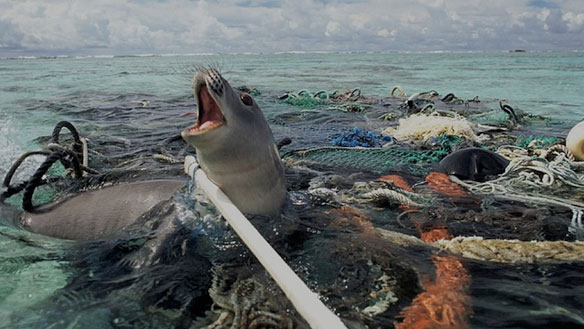
.
Plastic, Plastic, Everywhere!
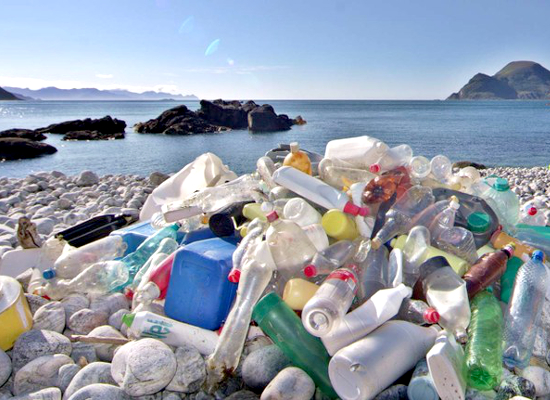
The production of plastic has been on the increase over the last decade because of its variety of use ranging from, our tea cups, soda bottles, salad dressing containers, mobile phones, and framed computer monitor amongst others. It is something we really cannot escape in our lives as almost everything that we come in contact with today is plastic; it is almost like an epidemic.
At this point you may be wondering what happens to them, where do all this plastic go right? Well a couple of them are recycled, some thrown are into landfills and also some are carelessly thrown into the street or our immediate environment which eventually ends up in drainage system blocking the flow of water. Each day, plastic is swept into the Pacific Ocean, when you visit the beaches you will find most of this plastic floating in the water or packed at the shores of the sea, because they were not properly disposed.
Plastic does not only affect our environment but also health of humans and animals. On a daily average, Humans generate large quantity of waste, 10% of this is plastic. An estimated 50% of plastic is used only once by people before they are thrown away. The amount of plastic thrown away annually is so much that it can go round the earth at least twice. Seemingly insignificant plastic like the plastic bags used for groceries and other mini supplies are used just once when they can be collected and recycled for use again. It should be noted that while some of the waste may slowly degrade, plastic does not degrade easily (it takes about 500-1000 years to degrade). It breaks down to small tiny pieces and does not degrade causing environmental pollution.
Poor waste management is not healthy for the environment and humans. The body absorbs many microscopic particles of plastic chemicals and some compounds found in plastic which may alter hormones or even have some potential human health effects. Other than humans, there are so many ocean animals that die every year from plastic ingestion. However, plastic when recycled can be used to make things such as, benches, trash cans, playground equipments and stationery holder among others. Recycled bottles can also be used to make fleece-like fabrics usually used in blankets and clothes. A lot of energy is being saved by recycling plastic compared to when it is burnt in the incinerator.
Countries are beginning to work towards the management of their waste system especially the plastic. A US law prohibits disposal of plastic into the marine environment and require ports to provide reception facilities for ship generated plastic waste- a great move in the right direction. Some countries including China, Australia, and Ireland have already banned or restricted the use of plastic bags. Others like Bangladesh and India have selectively banned those of over 5 microns. To ensure a sustainable future for the health of humans and the environment, countries and people can adopt some sustainable innovative futuristic models. First, we can invest in biodegradable plastic, which is considered as a sustainable option to curb the demand and consumption of plastic material. When such plastic decompose, it breaks down to carbon dioxide and water. Countries can support research for solutions to plastic waste problem. In 2008 and 2009 respectively, two high school students, Daniel Burd and Tseng I-Ching discovered plastic consuming microorganisms. With such researches been funded by governments, the planet can witness ground breaking innovation and a sustainable solutions to plastic monsters. Lastly, a better and more reliable plastic waste management is recycling of the material. Governments need to encourage and support recycling industry to ensure proper regulation of the process. However, the ultimate and most responsible waste management strategy is the zero waste strategy. It comprises of waste reduction, reuse and recycling. As humans, we can try to reduce our waste by reusing our plastics and also recycling it for other purposes in order to ensure a sustainable future for all and the environment.