

Registration Begins for Health Governance Workshop
January 27, 2017
The Highway to a Sustainable Livelihood
January 31, 2017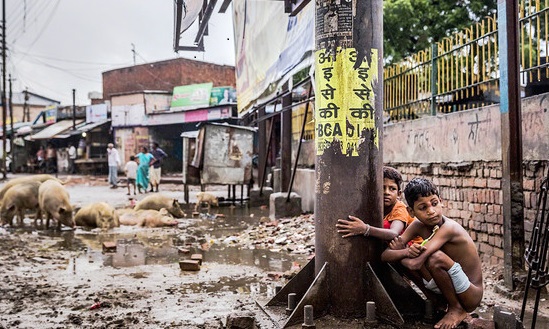
.
Personal hygiene and environmental sanitation- WASH: Moving towards community health socio-infrastructure
Inadequate sanitation, particularly in the context of urbanization, allows for sewage or waste to flow directly into streams, rivers, lakes and wetlands, affecting coastal and marine ecosystems, fouling the environment and exposing millions of children to disease. Improved sanitation reduces environmental burdens, increases sustainability of environmental resources and allows for a healthier, more secure future for the population. In India around 15,000 tons of plastic waste is generated out of which 9,000 tons are collected and processed, leaving the rest to cause irreparable damage to soil, water and environment.
Every year some 3.4 million people, mostly children, die from diseases associated with inadequate water supply, sanitation, and hygiene. Over half of the hospital beds in the world are filled with people suffering from water and sanitation related diseases.
Keeping clean and disposing of human waste (feces and urine) are necessary for good health. If they are not taken care of in a safe way, our feces and urine can pollute the environment and cause serious health problems, such as diarrhea, worms, cholera, and bladder infections. Many of these problems can be prevented through: Personal cleanliness (hygiene) which includes, washing hands, bathing, and wearing clean clothes, etc. and Public cleanliness (sanitation), this entails, using clean and safe toilets, keeping water sources clean and disposing of garbage safely and other ways of keeping the environment clean.
Many diseases are spread from person to person by germs in feces. Some experts believe health problems from poor sanitation can be prevented only if people change their personal habits, or “behaviors,” about staying clean. But this idea often leads to failure because it does not consider the barriers that people face in their daily lives, such as poverty or lack of access to clean water. Then when behavior does not change, people are blamed for their own poor health.
To achieve a sustainable good health everyone has a part to play. To preserve humanity, we must carry out personal hygiene and environmental sanitation regularly to avoid exposure to diseases caused by dirt, germs and pollution. As individuals, improving sanitation may go a step further to require a drastic change in habits. Global communities also need to provide accessible clean water and also create policies and structures geared towards the reduction of poverty and ensuring adequate sanitation in the world.