

suliver-logo-blue-white-smallsuliver-logo-blue-white-smallsuliver-logo-blue-white-smallsuliver-logo-blue-white-small
  • Home
  • Resources
  • Get Involved
    • Volunteer
  • Contact Us
  • Home
  • Home
  • Home
  • Home
  • Home
  • Contact
  • Contact
  • Contact
  • Contact
  • Contact
  • Contact
  • Shop
    • Shopping Cart
    • Checkout
  • Shop
    • Shopping Cart
    • Checkout
  • Shop
    • Shopping Cart
    • Checkout
  • Buy it now !
  • Buy it now !
  • Buy it now !
  • Buy it now !
  • Buy it now !
  • Buy it now !
✕
ICTs and the Sustainable Development Goals
June 26, 2017

Heat stress: A sustainable health risk.
November 23, 2017
.

Rebuilding Puerto Rico’s Electricity with a Resilient and Climate Friendly Power Grid

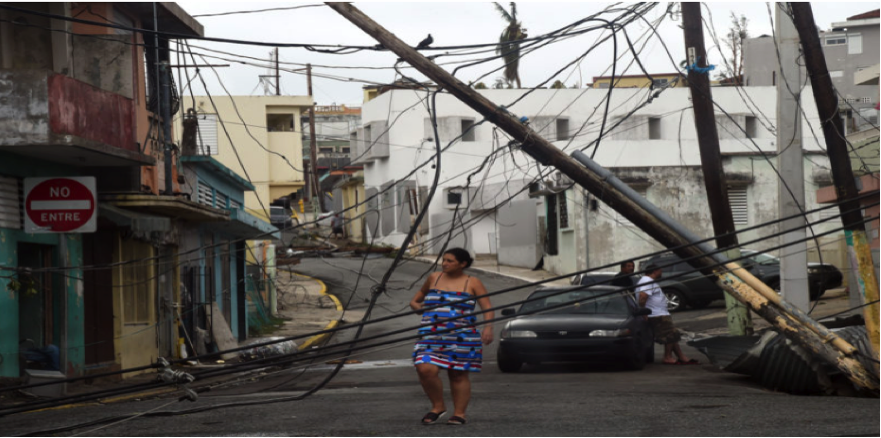
Hurricane Maria delivered what has been described as an “apocalyptic” destruction in the island of Puerto Rico, a United State’s territory and home to 3.5 million people. Maria was the strongest wind to hit the island in over 80 years. In addition to crippling communication systems, the decimation of buildings and the failure of critical infrastructures on the island such as the Guajataca Dam in island’s northwest corner, the Category 5 storm wrecked an epochal havoc on Puerto Rico’s electric grid system. It is estimated that over 80 percent of the transmission and distribution wires in the island were knocked out by the storm. The massive and extended power outage has orchestrated an unprecedented paralysis the health care, education, manufacturing and transportation sectors of the Puerto Rican economy.
1png

Even as electric power is gradually restored in few areas in Puerto Rico, the service remains skeletal, unreliable and unsustainable. As difficult and challenging as the situation in Puerto Rico may be, the decimation of electric power infrastructure by Hurricane Maria in the island presents a window of opportunity to rebuild the island’s electric grid on a more renewable and climate-friendly foundation. Rebuilding the island’s power infrastructure on the old brown energy infrastructure will amount to a missed opportunity.

Prior to Hurricane Maria, the electric power grid in Puerto Rico was based on the archaic infrastructure of 31 power plants, 293 substations and 32,000 miles of wires under the management of the Puerto Rico Electric Power Authority (PREPA). Puerto Rico’s energy, most of which comes from old and expensive oil-fired plants, results in a high price of about 22 cents per kilowatt/hour. As part of its operations, PREPA spends more than $1 billion each for the procurement of fossil fuel for electric power generation. Years of huge consumption of oil bring the company close to violating federal pollution rules and regulations. This has proven to be among the highest prices of electricity in the United States. For many years, the high price of electricity has put a drag on Puerto Rico’s economy as the commercial and residential use of electricity decreases (See Graph).
2

Source: Puerto Rican Energy Commission

With more customers than any other electric utility in the country, and despite its poor services and dismal records, PREPA has maintained an unsustainable monopoly on Puerto Rico for over 70 years. Apart from PREPA’s huge debt of about $9 billion before the storm, Maria further reduced the company’s assets to rubbles. Almost two months following the hurricane, PREPA has been able to restore a little over 40 percent of its generating capacity to consumers in the island.
It has become economically and environmentally essential to move away from PREPA’s model of central and storm-prone electricity generation to a resilient and micro-grid system spread across the island. With the available technologies and several photovoltaic farms across the island, rebuilding the electric power system on renewable energy in Puerto Rico will put the island ahead economically and enhance the quality of life in the region. Many renewable energy companies are on the ground, while many non-profit organizations have engaged in the process of educating residents of the island of the importance of renewable energy, especially solar. For instance, some groups have handed out over 5,000 solar-powered lanterns and numerous micro-grids to the residents who remain in darkness in the wake of Hurricane Maria. Grid-independent electric system will create series of new community micro-grids or a network of multiple solar panel installations backed up by storage in Puerto Rico.
Given the availability of demand and supply of green energy, a systematic shift to renewable energy sources in Puerto Rico will go a long to address the island’s energy, and by extension its economic crisis. However, it has become imperative for the island to reforms its broken energy regulatory system as a start. Therefore, as Puerto Rico rebuilds its energy infrastructure and the economy, it can also use the opportunity to reduce its carbon footprint by shifting away from fossil-fuel based and centralized electric generating system to a climate-friendly, renewable and sustainable sources such as solar and wind. This will require the political intervention of Puerto Rican government. Besides, it will also need some pressure on PREPA, which has been resistant to the integration of renewable energy in Puerto Rico energy mix. This venture will require not only a reasonable amount of capital infusion but also a substantial amount of political will.
3

Hurricane Maria caused a lot of destruction on the island of Puerto Rico. But the question remains: can the island turn this carnage into an opportunity to rebuild its electricity system to a more resilient, sustainable and storm-resistant one?



Share

Related posts

October 22, 2018

Sustainability Leadership Series


Read more
Join our Global Network Today Suliver|Network, lets bridge the gap in Sustainability and Livelihood
© 2019 Suliver. All Rights Reserved:
The Sustainability and Livelihood Research Organization (Suliver)
is a U.S. 501 (c) (3) tax exempt public charity, non-profit.

Error: Contact form not found.

Cleantalk Pixel